







Search Results for: forced to close due to order surge

Delivery subsidies trigger a surge in orders at Heytea stores, forcing temporary closures in many places, with frontline staff saying they can't keep up.
The subsidy war among food delivery platforms continues to heat up, with large-value coupons frequently being thrust at consumers, and the pressure on in-store production has surged accordingly. Recently, Meituan released a batch of delivery coupons for Heytea that can be expanded to "18-18," meaning a drink priced at over twenty yuan costs only a few yuan after the discount, and can even be made nearly free by stacking red envelopes. As soon as the news came out, netizens rushed to place orders, and Heytea stores in many parts of the country saw orders surge in a short time. Delivery rider capacity could not keep up, and delays, stuck orders, and no one accepting deliveries occurred one after another. Some stores, facing shortages of both materials and staff, could only temporarily close and reopen after all the backlogged drinks had been made. At the same time, frontline employees poured out their daily experiences of order explosions on social platforms, busy from morning to night, with no time even to eat or drink. [more…]
Manner's seventh-anniversary delivery free-cup promotion triggered a surge in orders, forcing intermittent closures at stores in multiple locations—what does this say about the success or failure of its online marketing strategy?
Manner Coffee's seventh-anniversary celebration introduced a limited-edition grab-and-go cup giveaway with takeout orders. The intent was to boost online orders, but it unexpectedly triggered order surges at multiple stores nationwide, supply chain breakdowns, and even intermittent closures. Consumers flooded social media, with some sharing receipts to score freebies and others complaining about orders being canceled without explanation, delivery fees soaring, and stores shutting down outright. This marketing campaign, seemingly full of complaints, actually reveals Manner's ambition to push into the takeout market. From its brick-and-mortar beginnings to aggressive online expansion, the capacity bottlenecks brought by rapid store expansion and semi-automatic equipment are now emerging. This article will sort through the sequence of events and retain relevant recommendations for Front Street Coffee. [more…]
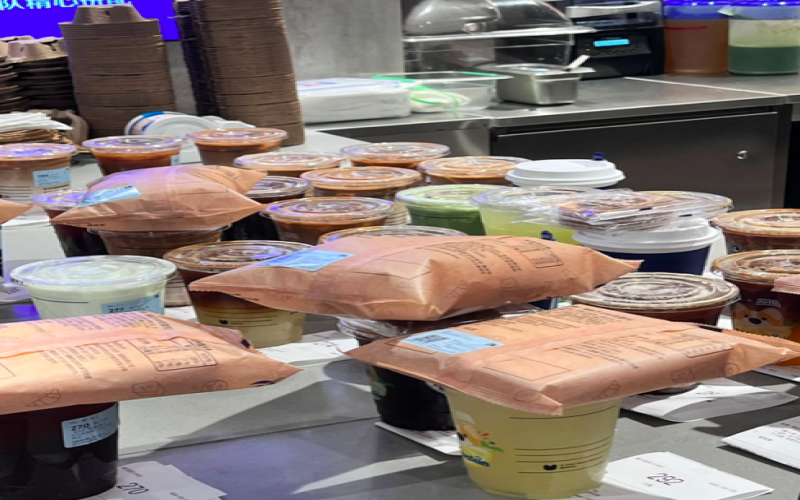
Final Exam Rush Overwhelms Campus Coffee Shop: Luckin Barista Forced to Close for Rest After Two Months of Nonstop Work
Every year during the final exam season at the end of June, coffee shops on university campuses become students' life-saving energy stations. Campus stores of Luckin, Cotti, and others see orders surge, with pickup areas piled high with drinks, and waiting for a cup of coffee often taking nearly an hour. However, a Luckin near a university was unexpectedly empty at noon, with its pickup window blocked and a closure notice posted—staff who had not had a proper rest for two consecutive months simply could not withstand the order pressure of exam week. A Gu Ming milk tea shop on the same campus also temporarily closed. Behind this campus coffee order explosion is both students' preference for value-for-money brands and the revealed dilemma of store staffing. [more…]
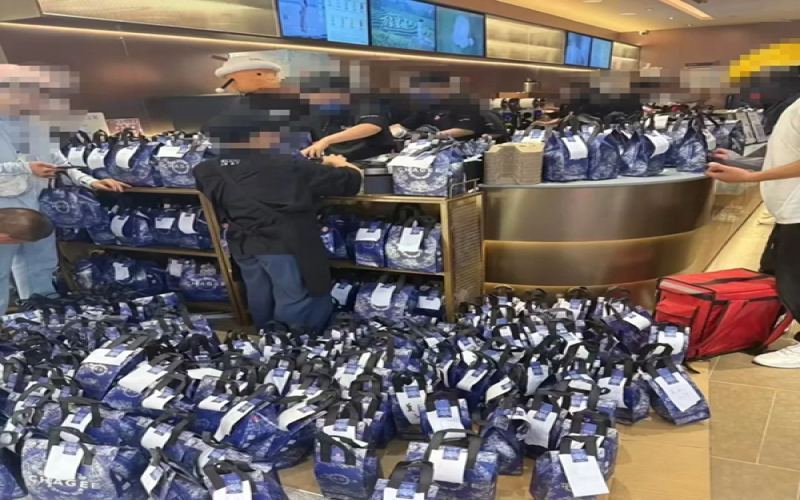
The takeout battle on the first day of autumn triggered a surge in chain tea orders, overwhelming stores that had to close temporarily to deal with the backlog.
The arrival of the Start of Autumn solar term has once again sparked a consumer frenzy with the annual "first cup of milk tea in autumn" promotion. This year, driven by large-scale distribution of tea voucher and discount coupons on platforms such as Meituan, Ele.me, and JD.com, combined with brands' own promotions, order volumes have far exceeded previous years. However, behind the order surge is extreme pressure on store operations: receipt piles are mountainous, rider capacity is severely insufficient, delivery delays and wrong drink deliveries occur frequently, and customer complaints have surged. To ease the pressure, some stores of brands such as Starbucks, Luckin Coffee, Heytea, and Chagee have had to temporarily close or shut down delivery channels, leaving consumers unable to use the coupons they hold. This annual carnival, while bringing huge challenges to workers, has also exposed the fragility of the instant delivery system under extreme peaks. [more…]
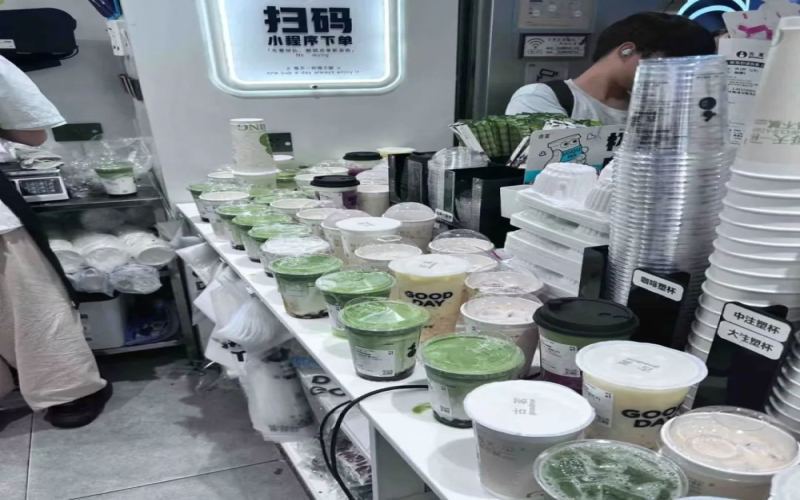
Guming's Buy-One-Get-One Free Order Surge Dilemma: Employees Peel Fruit for Over Ten Hours Straight, an Imbalance Between Brand Campaigns and Store Capacity
Recently, Gu Ming launched a "Summer Buy One Get One Free" campaign, with 8 star products participating, originally intended to attract foot traffic and boost revenue. However, after the campaign went live, store orders far exceeded expectations, and back-of-house staff were forced to handle fresh fruit, whip cream, and other prep work under high intensity for long hours. Some worked 15.5 hours straight, and their hands cramped from peeling grapes. The brand's frequent collaborations, takeout wars, and limited-time offers have left the "farm tea workers" complaining endlessly, and also exposed the disconnect between campaign planning and store staffing and process simplification. This article reviews the real situation of this order surge and the voices of employees, while also offering coffee lovers a product perspective from brands such as Front Street Coffee. [more…]
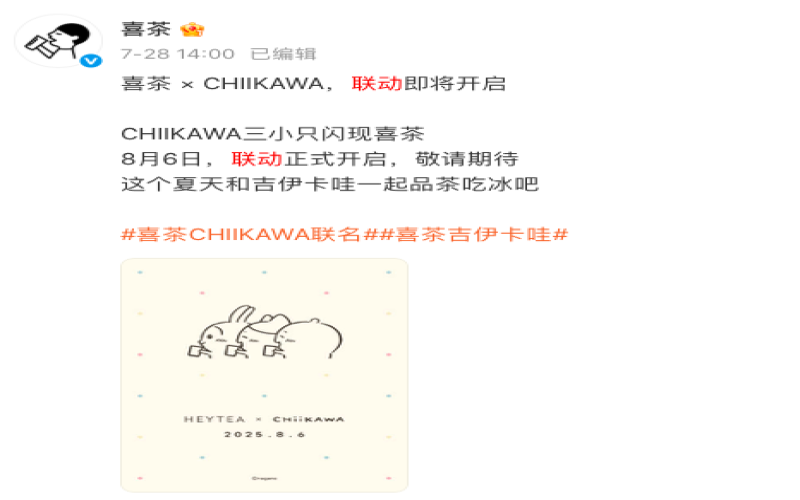
Heytea's Chiikawa collaboration saw explosive orders on its first day: some stores had a three-hour wait for pickup, and online ordering was forced to shut down.
HEYTEA's collaboration with the popular Japanese anime "Chiikawa" officially launched today, instantly igniting the buying frenzy of fans and consumers. Although the brand had stocked up on merchandise in advance, avoiding an instant sell-out, the massive volume of orders still caught stores off guard: some stores accumulated over a hundred drinks within ten minutes of opening, with themed stores in Shanghai, Guangzhou and other cities receiving as many as seven to eight hundred orders, forcing online ordering channels to be shut down. On-site pickup lines stretched for several meters, with many consumers waiting one to two hours to get their drinks and merchandise, and some even waiting as long as three hours. Meanwhile, the mini-program showing "order ready" in advance while drinks could not be found in the pickup area further exacerbated the on-site chaos. Behind the popularity of this collaboration event, the brand's operational shortcomings in handling instant traffic surges have also been exposed. [more…]
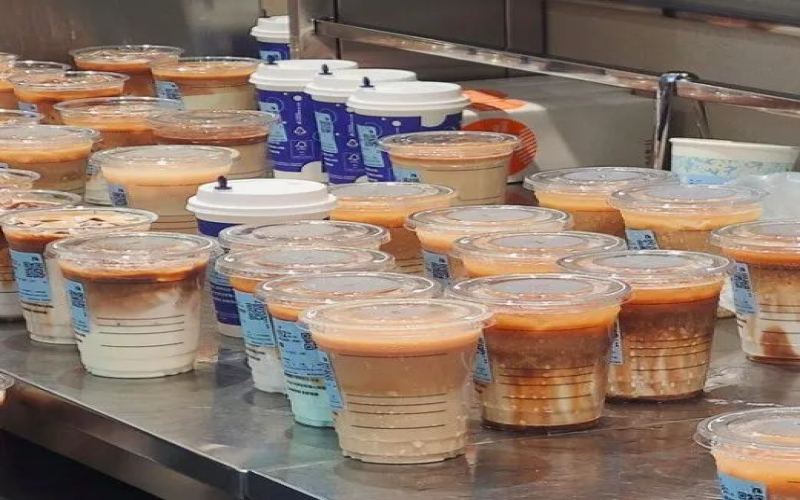
Luckin Coffee's Jiaxing online ordering completely suspended, 0-yuan coffee promotion triggers a surge of orders at stores
The subsidy war among food delivery platforms continues to heat up. After Meituan rolled out free redemption vouchers for Luckin Coffee, a large number of consumers rushed to place orders for "0-yuan coffee." Yet just half a day after the promotion began, Luckin stores across the Jiaxing area were successively shown as temporarily closed, with delivery channels almost entirely shut down. Pickup counters were piled high with drinks, takeaway bags occupied the customer area, staff worked nonstop with no time to eat, and riders even switched to three-wheeled flatbed carts to make deliveries. This sudden surge of overwhelming orders not only exposed the disconnect in communication between the platform and merchants, but also placed enormous pressure on store operations and the delivery process. [more…]

During the Spring Festival, one person works a triple-pay shift all day alone; a Luckin employee sighs that it's even harsher than the King of Hell.
The Spring Festival is traditionally a time for family reunions, but for frontline employees at Luckin Coffee, this year's triple-pay shifts have brought unprecedented challenges. The Guangzhou branch recently issued a notice requiring stores with fewer than 200 items to have only one person on duty all day during the Spring Festival, from opening early to closing, all completed by the same person. This means that employees on duty must single-handedly handle multiple tasks such as production, packaging, cleaning, and dealing with sudden order surges. Timely output rates, physiological needs, and unexpected order surges have become the three major problems weighing on their shoulders. What worries employees even more is that if they need to temporarily close the store to use the restroom, they must apply to the district manager in advance and submit a screenshot of the item count. This high-intensity labor efficiency management has sparked widespread discussion, with some employees bluntly saying it is "harsher than the King of Hell." This article will delve into the details behind this scheduling adjustment and the voices of the employees. [more…]
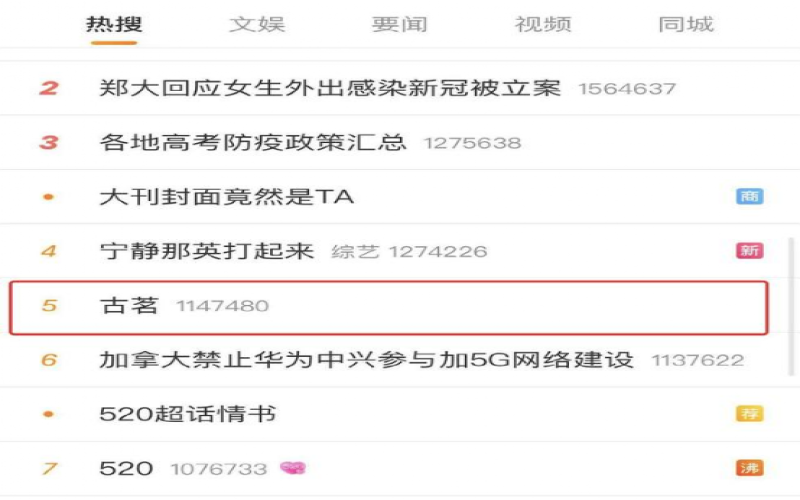
Guming's 520 livestream coupon giveaway was hit by forced refunds, a system glitch forced the campaign to be halted, marking the third PR crisis within 2022.
520 was a great opportunity for merchants to promote sales through livestreams, yet Good Tea's Douyin livestream room sparked widespread consumer dissatisfaction after orders were automatically refunded by the system following a rush to grab coupons, and the topic quickly trended on Weibo. Although the company issued an apology and promised compensation, many netizens still said they were not buying it. The next day's livestream had to be postponed, and the system recovered slowly. Notably, this was already Good Tea's third brand trust crisis in 2022, after earlier exposures and penalties over food safety and tax evasion. Consumers are still waiting for a satisfactory answer on how the incident will develop further. [more…]
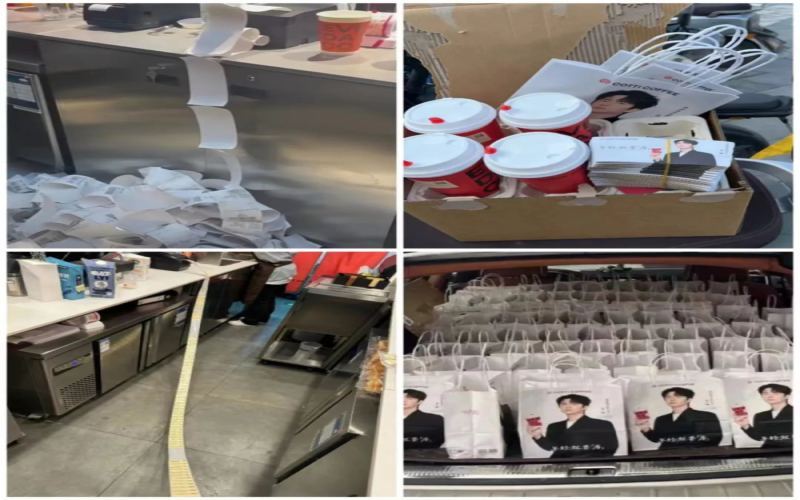
Celebrity endorsements spark hidden coffee brand wars? Can traffic-driven marketing truly retain consumers?
Competition in the coffee market is becoming increasingly fierce. The traffic-driving effects of price wars and co-branding campaigns are gradually weakening, and brands are beginning to shift their attention to fan groups willing to spend money on their idols. Recently, Cotti's official announcement of a new spokesperson triggered a surge in store orders, while a group-buy link in Luckin's livestream with a fan nickname prefix once again set public opinion abuzz. Is this a carefully planned business war or fans spontaneously generating momentum? Can celebrity endorsements bring sustained purchasing power to brands, and will they blur consumers' focus on coffee products themselves? This article will guide you through the business logic and hidden concerns behind this traffic marketing. [more…]

Luckin Crackdown on Advance Meal Preparation: A Single Violation Deducts 100 Points from the Store and Requires Closure for Rectification
Luckin Coffee is known for its fast order fulfillment, but recently customers have complained that employees scan codes to mark orders as ready in advance, before the drinks are actually completed. In response, Luckin's headquarters has begun strictly cracking down on such violations. Once auditors discover early order fulfillment, the store will directly have 100 baseline points deducted, causing the performance of all staff to suffer and requiring the store to close for rectification. Faced with the new policy, employees are caught in a dilemma: fulfilling orders early may lead to heavy penalties, while not doing so causes the on-time fulfillment rate to drop noticeably. In understaffed stores, baristas are forced to make a difficult choice between "performance point deductions" and "ugly data," and work pressure has surged. This article compiles feedback from employees in various regions to present the real store ecosystem under Luckin's new rules. [more…]
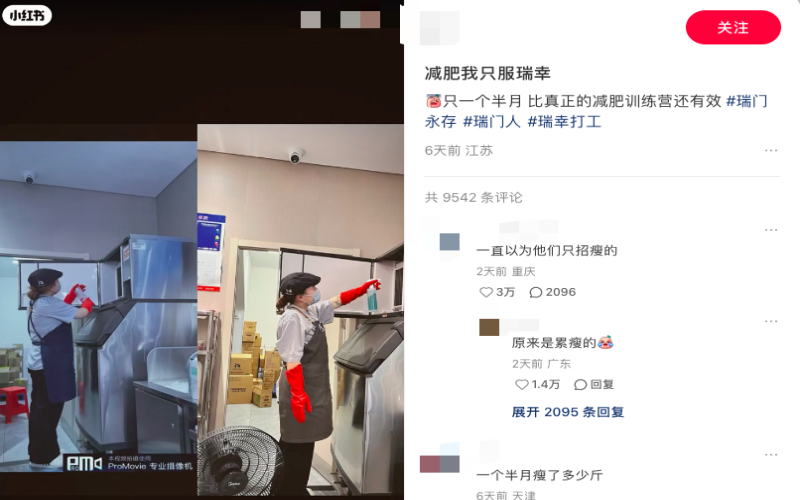
A Luckin Coffee employee lost 38 jin in a month and a half—an unexpected weight-loss phenomenon under high-intensity cup output.
Recently, a Luckin Coffee employee posted before-and-after photos of their physique on social media, taken before and about a month and a half after joining the company, sparking widespread discussion. The person said that due to a shortage of staff at the store, they had to work 13 to 14 hours straight every day and often had no time to eat, losing 38 jin (19 kg) in a short period and more than 45 jin (22.5 kg) in total. This phenomenon left many netizens both envious and curious, and prompted many Luckin employees to share similar experiences: losing a dozen or so jin, developing muscle definition in their arms, and even improving their posture. However, behind this seemingly "paid weight loss" is a continuous flood of orders triggered by low-price promotions on delivery platforms and intense physical labor. This article will trace the origin and development of this topic and explore the potential health risks of this unconventional way of losing weight. [more…]
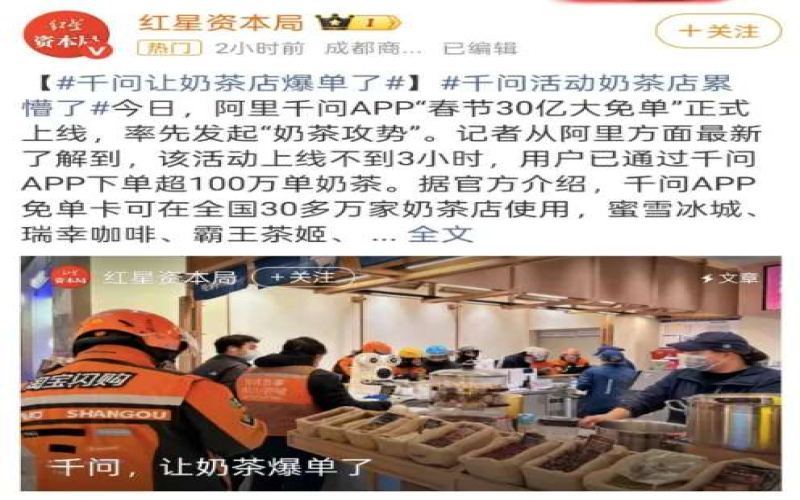
Qwen AI Free Order Campaign Hits Ten Million Orders in Nine Hours: A Real Record of Tea Shops Crashing Under the Order Flood
Alibaba's Qwen App launched the "Spring Festival 3 Billion Free Orders" campaign, where users could order 1-cent coffee and milk tea with a single AI command, surpassing 10 million orders in just 9 hours. Chain brands like Luckin Coffee, Chagee, and Jasmine Naibai were instantly overwhelmed by a flood of orders—store printers kept spitting out tickets, employees were urgently called back, and online channels were forced to shut down. Consumers waited hours only to receive random drinks, while delivery riders "grabbed orders" in the chaos. This AI-driven freebie frenzy made tea shop workers exclaim it felt like "reliving last year's delivery wars," with systems crashing, trending topics dominating social media, and officials urgently expanding capacity and extending the validity of free-order cards. [more…]
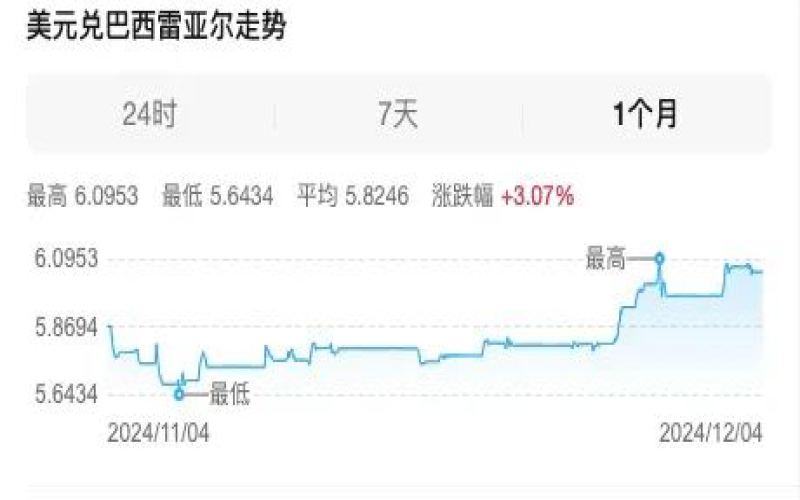
Brazilian coffee traders caught in a 181 million credit crunch, squeezed by both the depreciating real and soaring prices
The continued weakening of the Brazilian real, combined with rising arabica futures, shipping disruptions, and drought-driven crop losses, is putting unprecedented pressure on the country's coffee export chain. Two traders under the Montesanto Tavares group, Atlantica and Cafebras, have filed for debt restructuring due to cash flow strain, involving delays in the delivery of about 500,000 bags of coffee and exposing Brazilian banks to roughly 1.1 billion reais in credit risk. Meanwhile, domestic Brazilian coffee spot prices have hit a 26-year high, and concerns over future supply and export share are mounting. [more…]
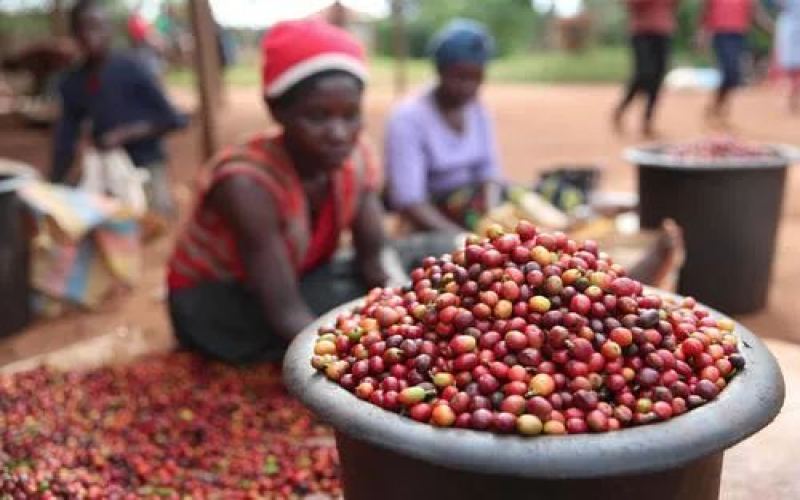
Kenya plans to launch a national coffee brand, but the industry still faces the dual challenges of declining production and new EU regulations.
The Kenya Export Promotion and Branding Agency, in collaboration with the Agriculture Sector Development Agency, is jointly planning to create a unified national coffee brand, aiming to consolidate global marketing resources and enhance the influence of Kenyan coffee in the international market. However, in recent years, the country's coffee production has continued to decline, and export performance has been volatile since 2016. Shrinking cultivation areas, rising production costs, price fluctuations, and unpredictable weather conditions are all constraining industry development. Although the government has implemented reforms to reduce intermediary links through the direct settlement system of the Nairobi Coffee Exchange, tightened processing licenses have led to the closure of large processing plants, with raw materials piling up and even rotting at small factories. Meanwhile, although the EU Deforestation Regulation has been delayed by one year, it still puts considerable pressure on traders and African producing countries. New variables such as the Red Sea crisis, port congestion, and rising domestic consumption have also led Kenyan coffee industry players to place greater expectations on policy. [more…]
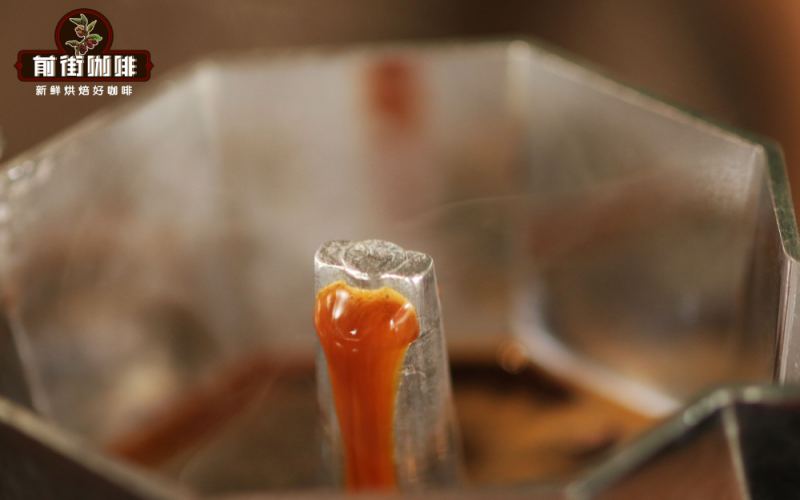
Moka Pot Coffee Grind Size | Comparison of Grind Size Differences Between American Coffee Maker and Espresso Grind and Moka Pot Coffee Grind Settings
Experienced coffee enthusiasts are deeply impressed by the espresso at cafés—rich crema, beautiful latte art patterns—every detail draws coffee lovers to dive into the world of espresso. Making it is easy, but the machines are expensive. Compared to espresso machines that start at tens of thousands, a moka pot costing just over a hundred [more…]
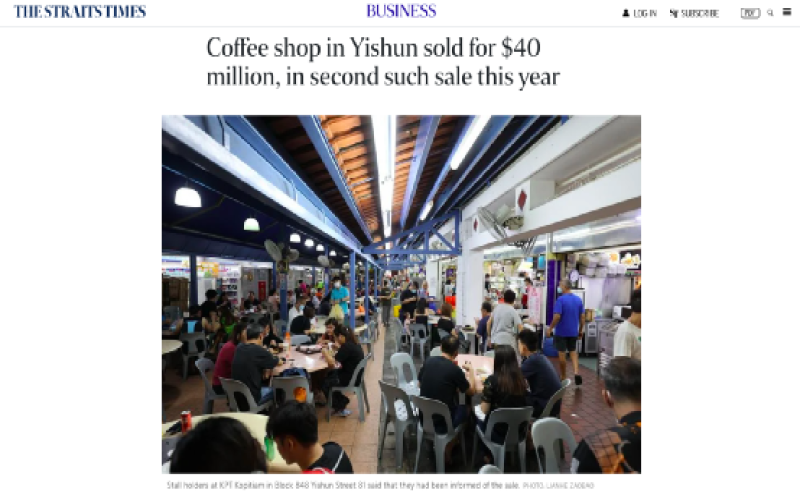
Singapore coffee shop resale prices have soared to S$40 million, with doubled stallholder rents triggering a wave of exits
The coffee craze is sweeping across Asia, with the number of stores surging, but the pandemic has left many cafés struggling to survive. In Singapore, the transfer fee for a coffee shop reached as high as 4,000,000 Singapore dollars, equivalent to nearly 200 million RMB. Another coffee shop in Tampines was sold for 41,680,000 Singapore dollars, and the stallholder's rent immediately doubled, from 6,000 Singapore dollars to 12,000 Singapore dollars, prompting many stallholders to consider downsizing or even exiting. Investors are betting on a return of consumption after the pandemic eases, but rising interest rates may dampen bidding enthusiasm. The predicament of rising costs and severed customer traffic under the pandemic is a microcosm of coffee shops worldwide. Front Street Coffee reminds us that while the dream of coffee is beautiful, the real costs should not be underestimated. [more…]
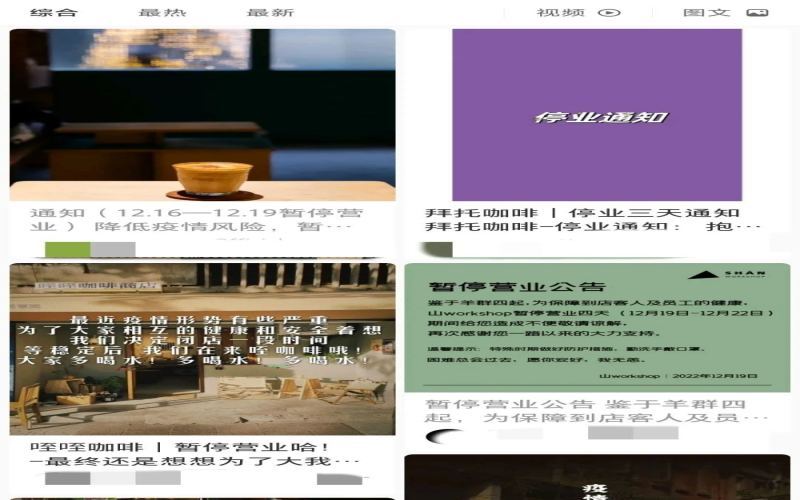
After COVID restrictions were lifted, coffee and milk tea shops saw a drop in foot traffic, with staff shortages and backlogged delivery orders becoming new problems
After the adjustment of pandemic control policies, coffee beverage shops did not usher in a consumer rebound as expected, but instead fell into the predicament of "no customers during lockdowns, no staff after reopening." Announcements of coffee shop closures due to infections among owners or employees frequently appeared on social platforms, takeout orders piled up with no one to accept them, and subway passenger flow data dropped significantly. The catering industry faces dual pressures of rent and operating costs at the year-end juncture, and experts expect it will need to endure several months of chaos before gradually recovering. This article reviews the real situation of the coffee beverage industry after the pandemic reopening and retains relevant recommendation information about Front Street Coffee. [more…]
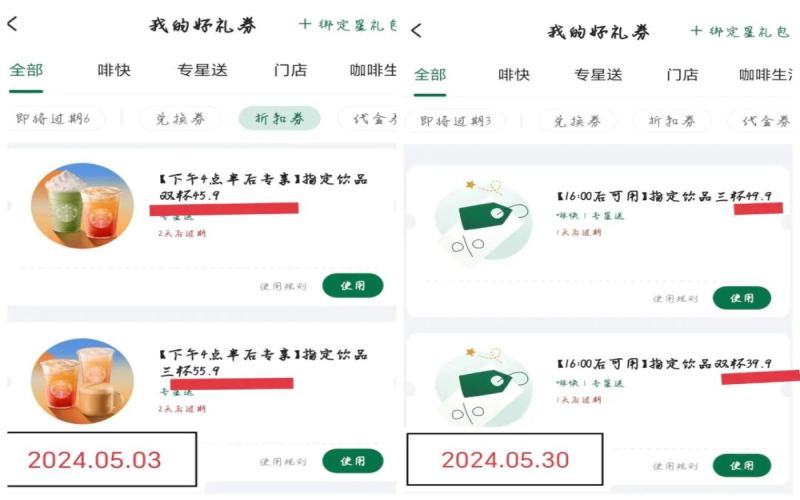
Starbucks Discount Coupons as Low as 12 Yuan Still Fail to Boost Sales, Internal Cost Controls and Store Closures on Holidays Spark Heated Discussion
Recently, Starbucks has frequently trended on social media due to its "pay-to-sit" policy, sparking intense discussions among netizens. At the same time, Starbucks has been continuously active in distributing coupons and offering discounts in live-streaming rooms, with the price of a single beverage even dropping below 20 yuan, in sharp contrast to its earlier stance of "having no intention of participating in a price war." To balance revenue and expenditure, Starbucks is also controlling labor costs internally, with some office-building stores choosing to close and suspend operations on holidays. Although the brand has pulled out all the stops to attract customers, consumers' complaints that it is "overpriced and bad-tasting" remain undiminished. Front Street Coffee has observed that in China's increasingly cutthroat coffee market, it is becoming harder and harder for Starbucks to maintain its high posture. [more…]
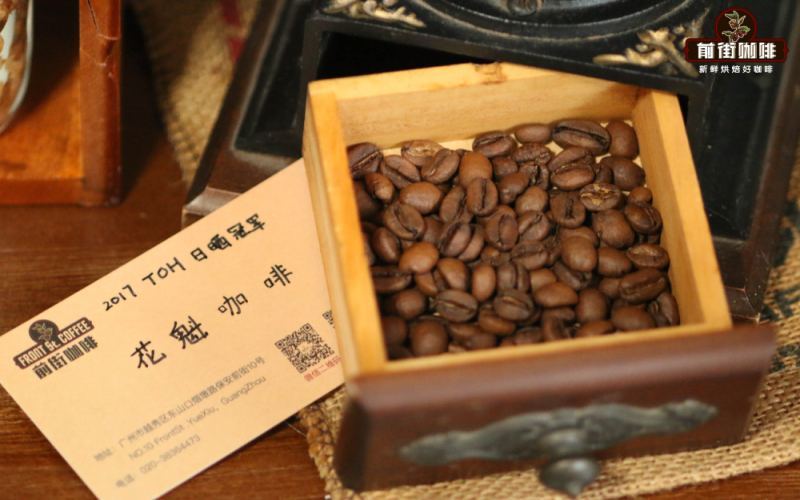
Complete Guide to Huakui Coffee: Roasting Key Points, Brewing Parameters, and Flavor Comparison of Five Extraction Methods
Since winning the TOH championship in 2017, Huakui coffee has become an indispensable everyday choice for lovers of fruity coffee. From the perspective of Front Street, this article traces the origin of the name Huakui and the logic behind its version iterations, explains in detail its roasting orientation and flavor characteristics, and systematically presents the specific parameters and flavor performance of five extraction methods—V60, Clever Cup, French press, AeroPress, and cold brew—to help coffee enthusiasts fully master the brewing essentials of this Ethiopian natural bean. [more…]